Friday, 15 March 2019


Monday, 21 March 2016
Sunday, 31 January 2016
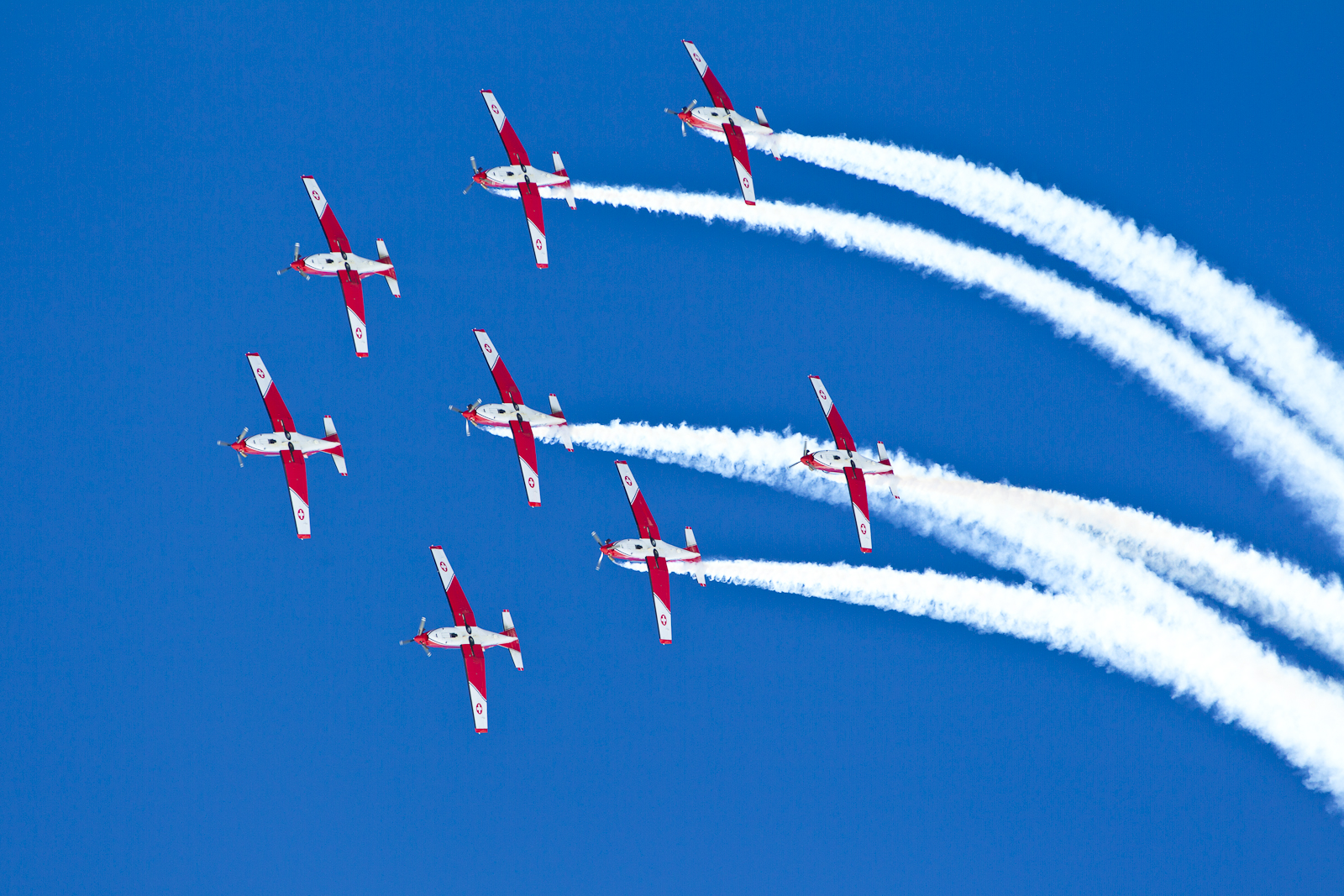
New photos added in my portrait gallery
Today, I' m very busy with my web site. After added some sport photos this morning, I have made a few changes and updated my portrait gallery.
Please feel free to check on www.sylvainoliveira.com/portrait


Please feel free to check on www.sylvainoliveira.com/portrait


Thursday, 8 May 2014
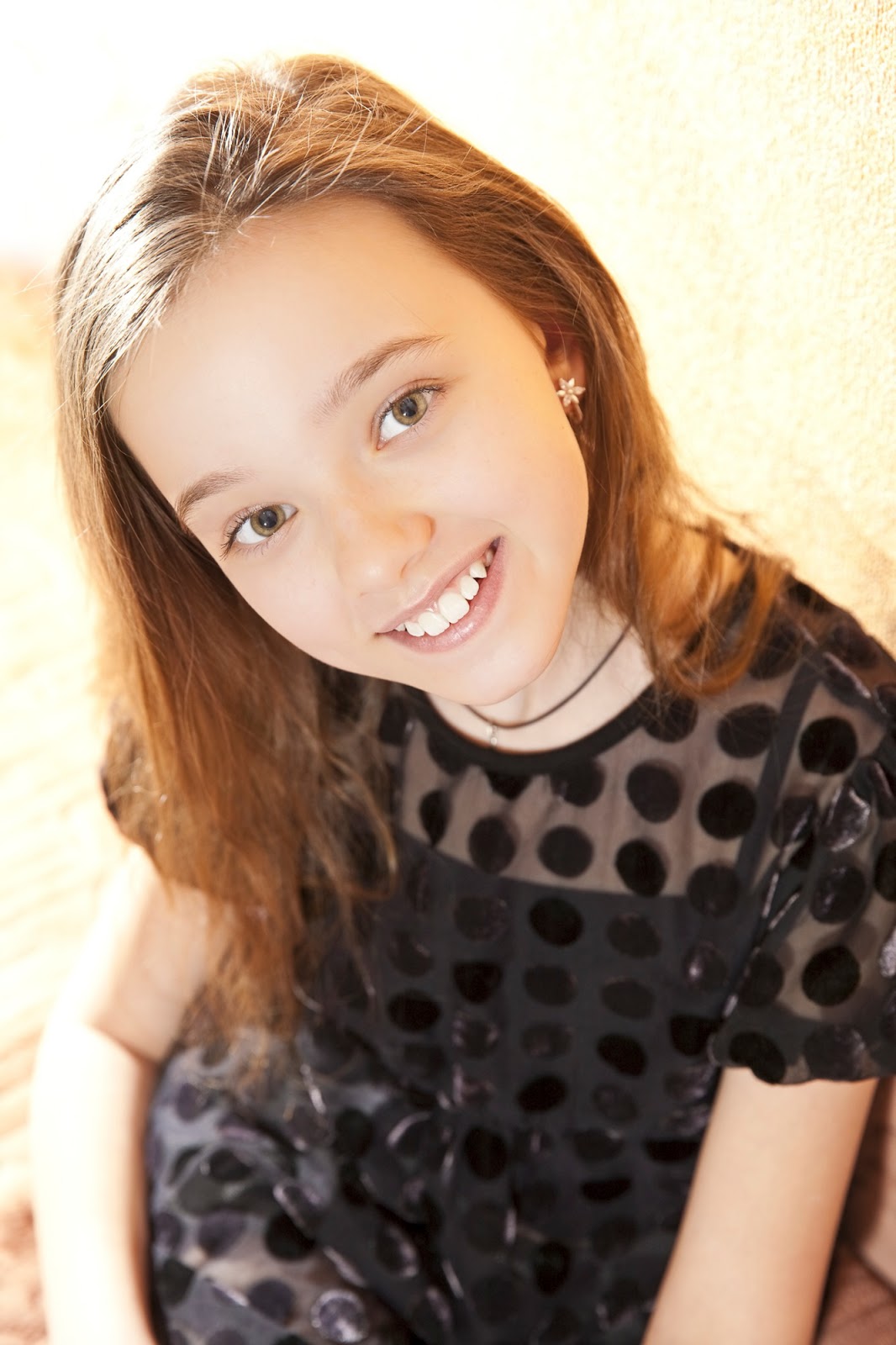
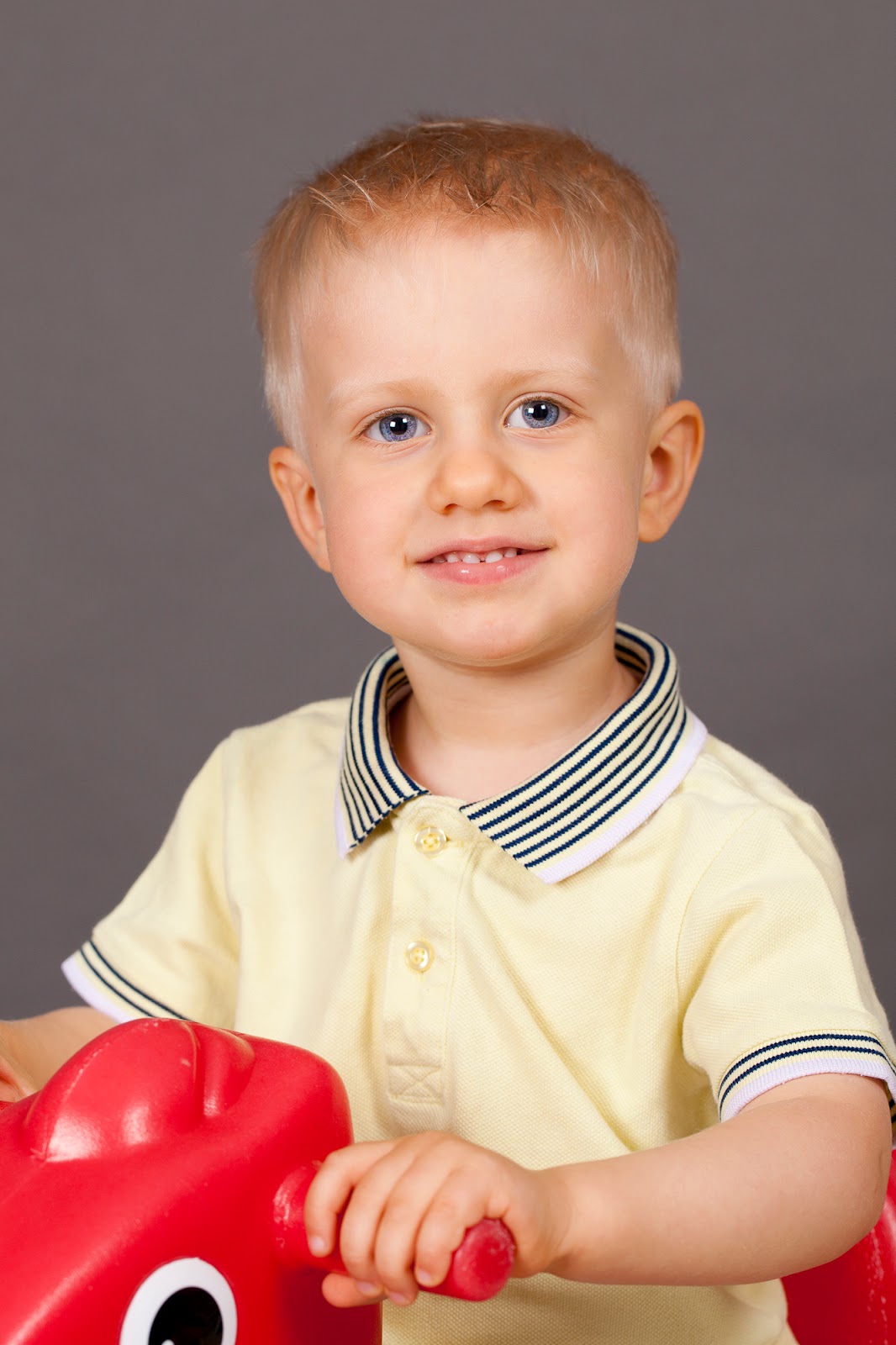
New website fully compatible with all supports
Today, I' m very pleased to announce the launch of my brand new website http://www.sylvainoliveira.com/ fully compatible with Iphone/Ipad, Android and of course Window/Mac OS.
Wednesday, 20 July 2011
New photos added in my landscape gallery
 I have made a few changes and updated my gallery with some fantastic new dusk shots of the enchanting, calm, clean and safe Minsk, Belarus.
Please feel free to check on www.sylvainoliveira.com/landscape

Sunday, 3 April 2011
New photos added in my sport gallery

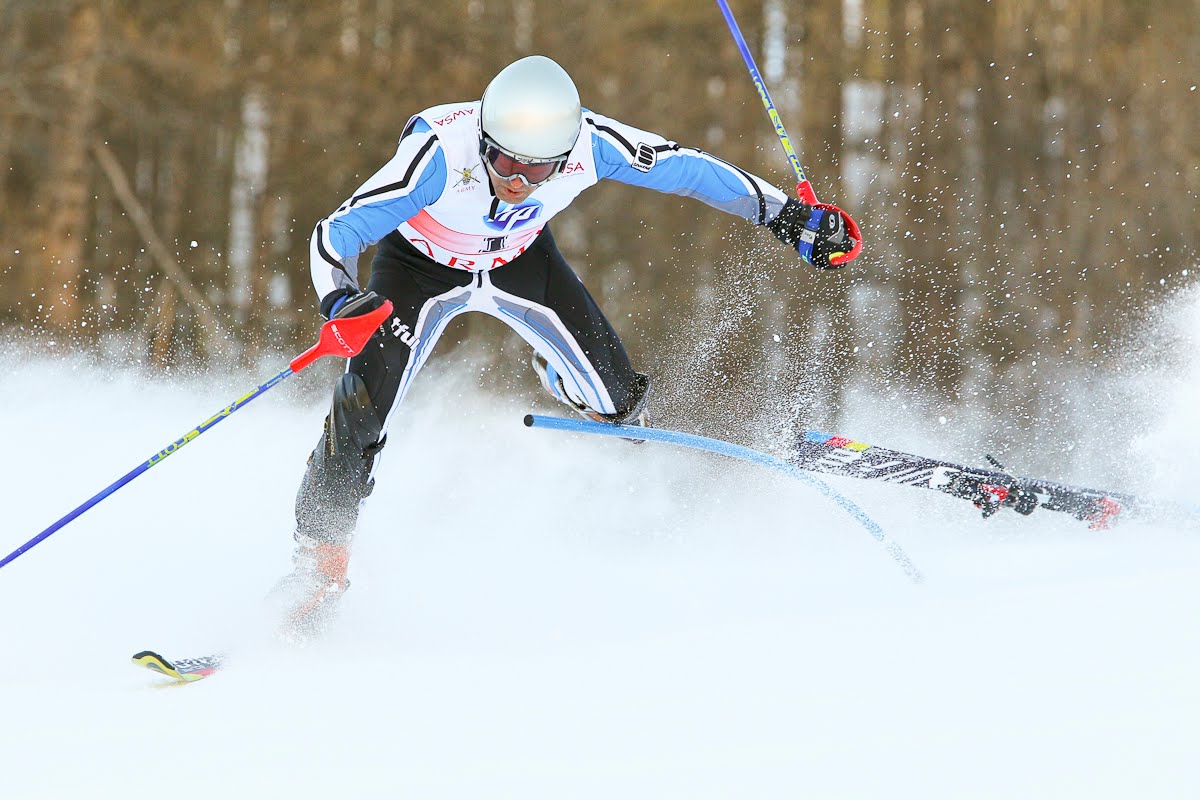
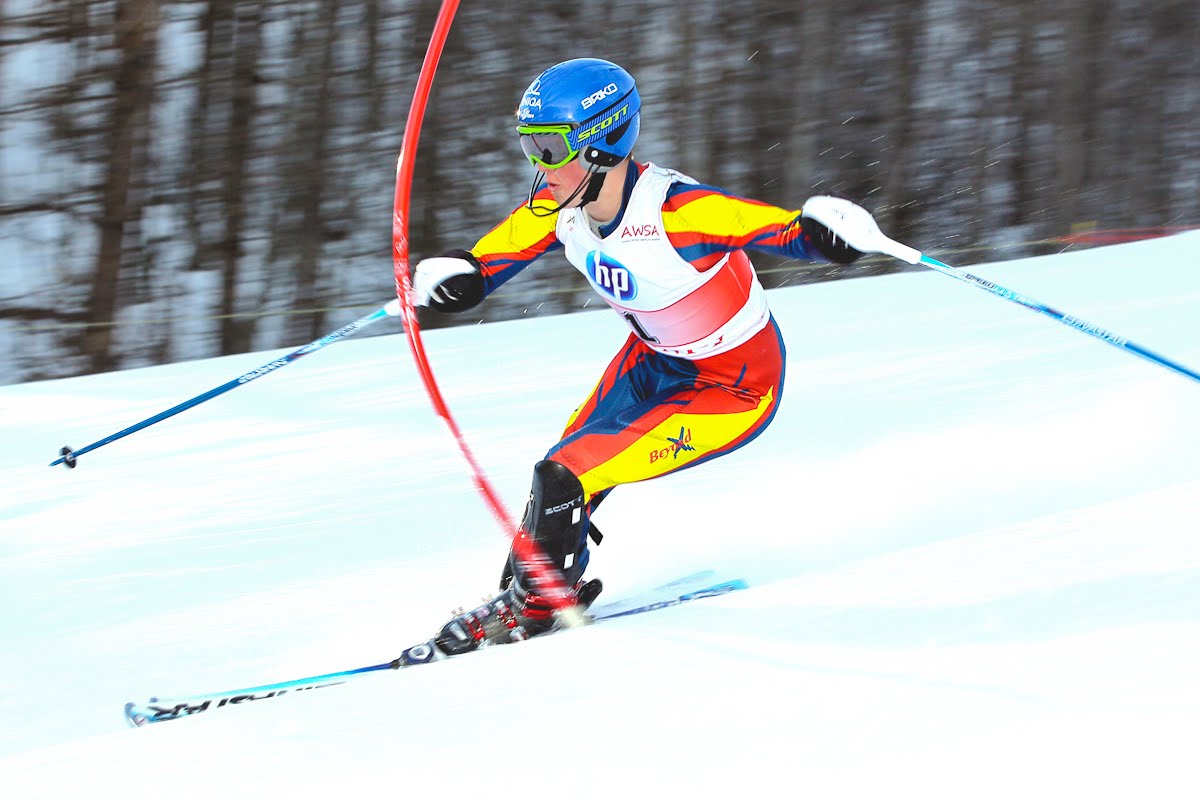
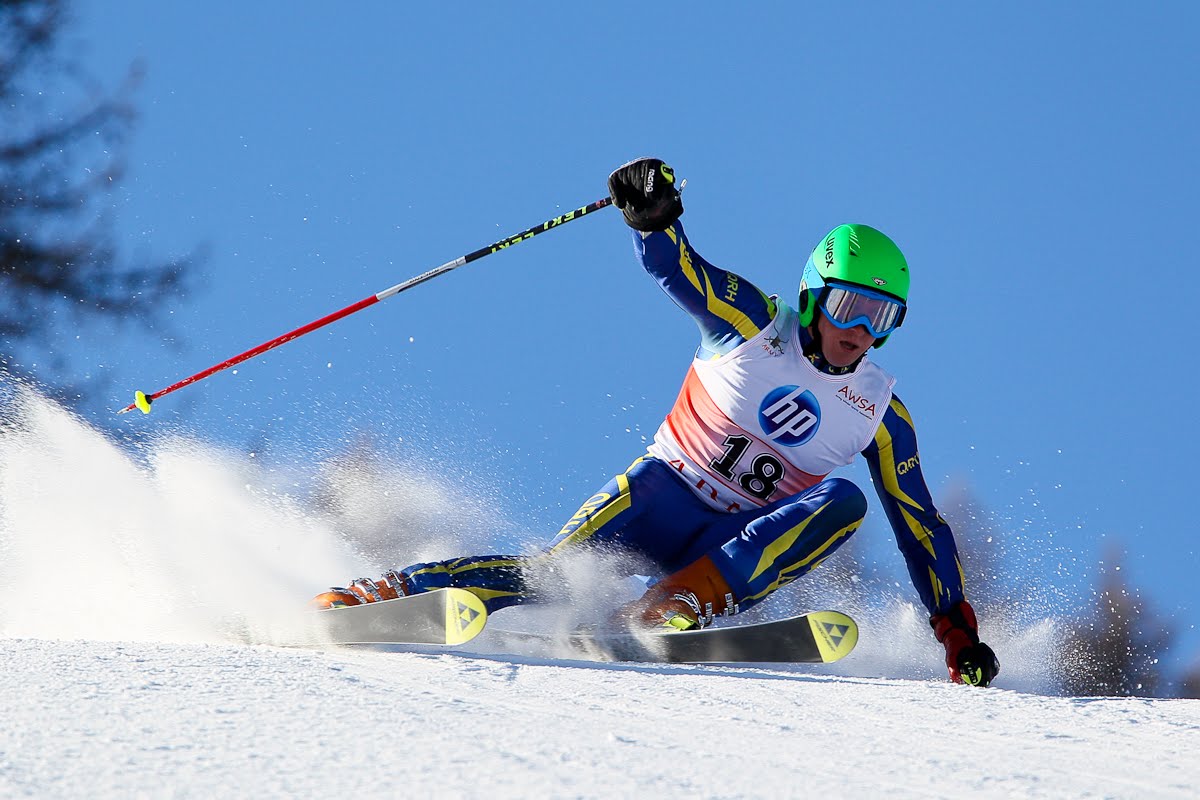
I have made a few changes and updated my gallery with some fantastic new alpine ski shots.
Most of these were taken this january while I was working in the Alpes.
Please feel free to check on www.sylvainoliveira.com/sport
Friday, 28 January 2011
New photos added in my landscape gallery


I have made a few changes and updated my gallery with some fantastic new dusk shots.
They were taken during my trips to Moscow.
Please feel free to check on http://www.sylvainoliveira.com/landscape/index.html
Tuesday, 22 June 2010
New photos added in my wildlife gallery

I have made a few changes and updated my wildlife gallery with some fantastic butterfly shots taken with my new zoom Canon 70-200 2.8LIS II.
They were taken during my trip to Cape Town, South Africa.
Please feel free to check on http://www.sylvainoliveira.com/wildlife/index.html


Thursday, 1 April 2010
More pictures added in the sport gallery of my website

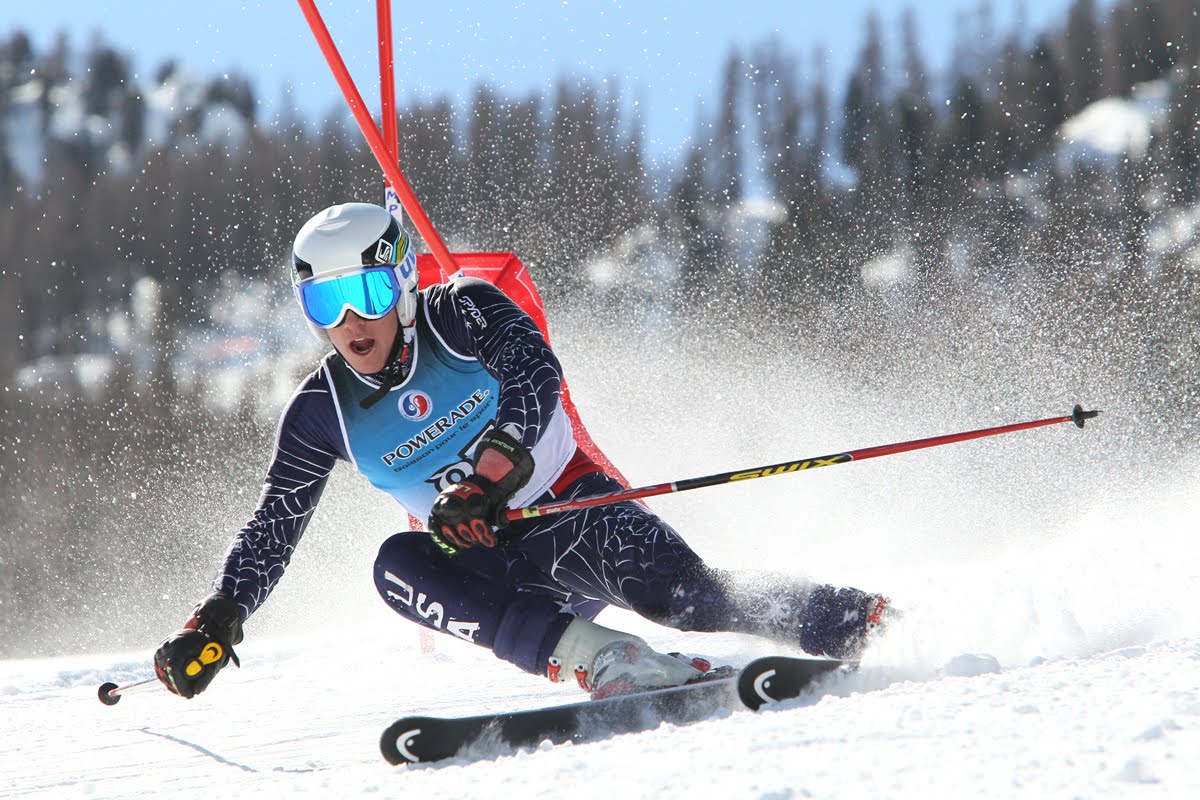
I have made a few changes and updated my gallery with some fantastic new sport shots.
Most of these were taken earlier this year while I was working in the Alpes.
Please feel free to check on www.sylvainoliveira.com/sport

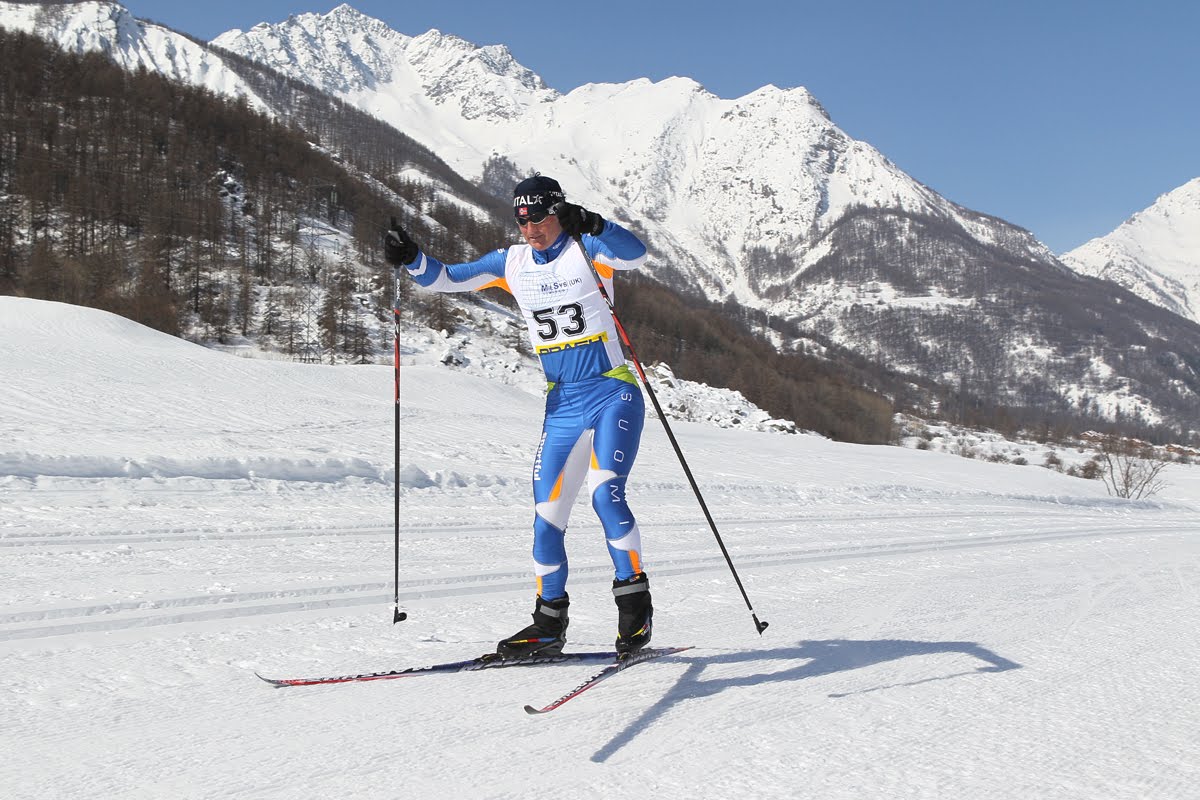
Saturday, 20 March 2010
Live test of the new Canon EOS1D Mark IV autofocus
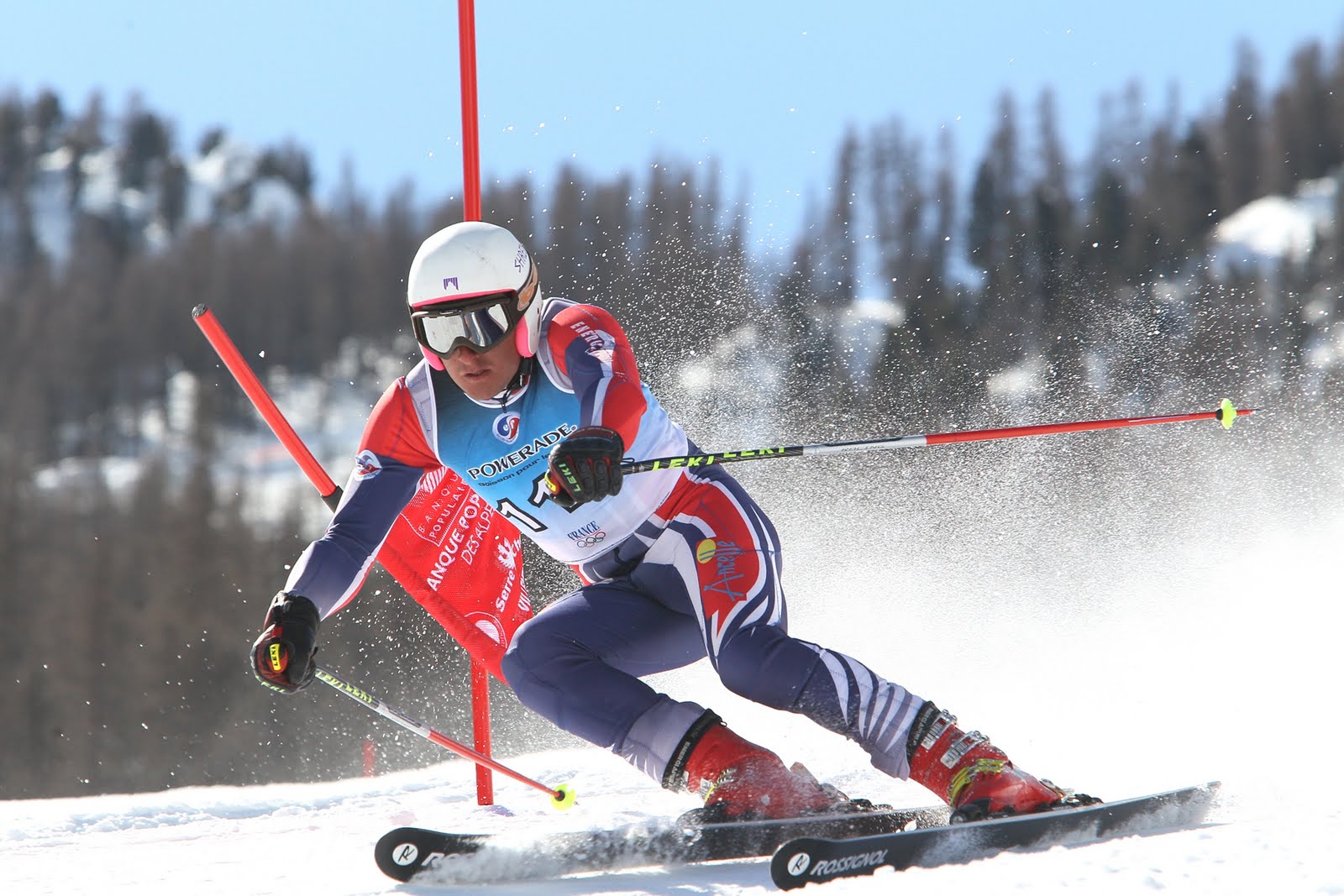 After a few thousand shots mainly of sport and action, I would like to comment on the performance of the autofocus of my new Canon EOS1D Mark IV.
Whilst working in the French Alpes at the beginning of this year. The weather was, for the most part, awful and the severe cold and snow was not the most comfortable or ideal conditions in which to shoot alpine skiing or snowboarding.
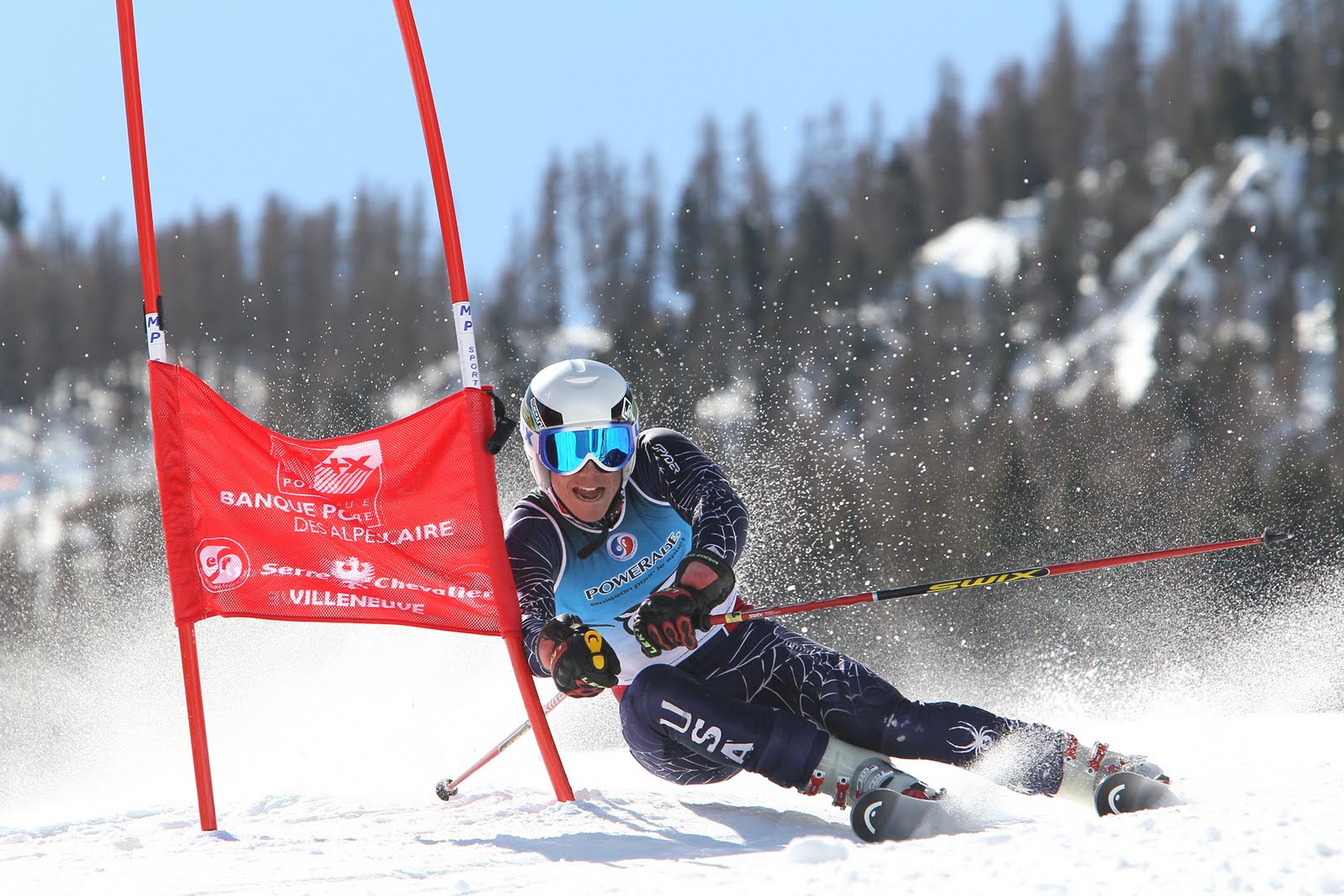 The One Shot autofocus is working really well and I haven't noticed any issues. The camera always delivered pin sharp photographs, whatever the quantity of light or contrast.
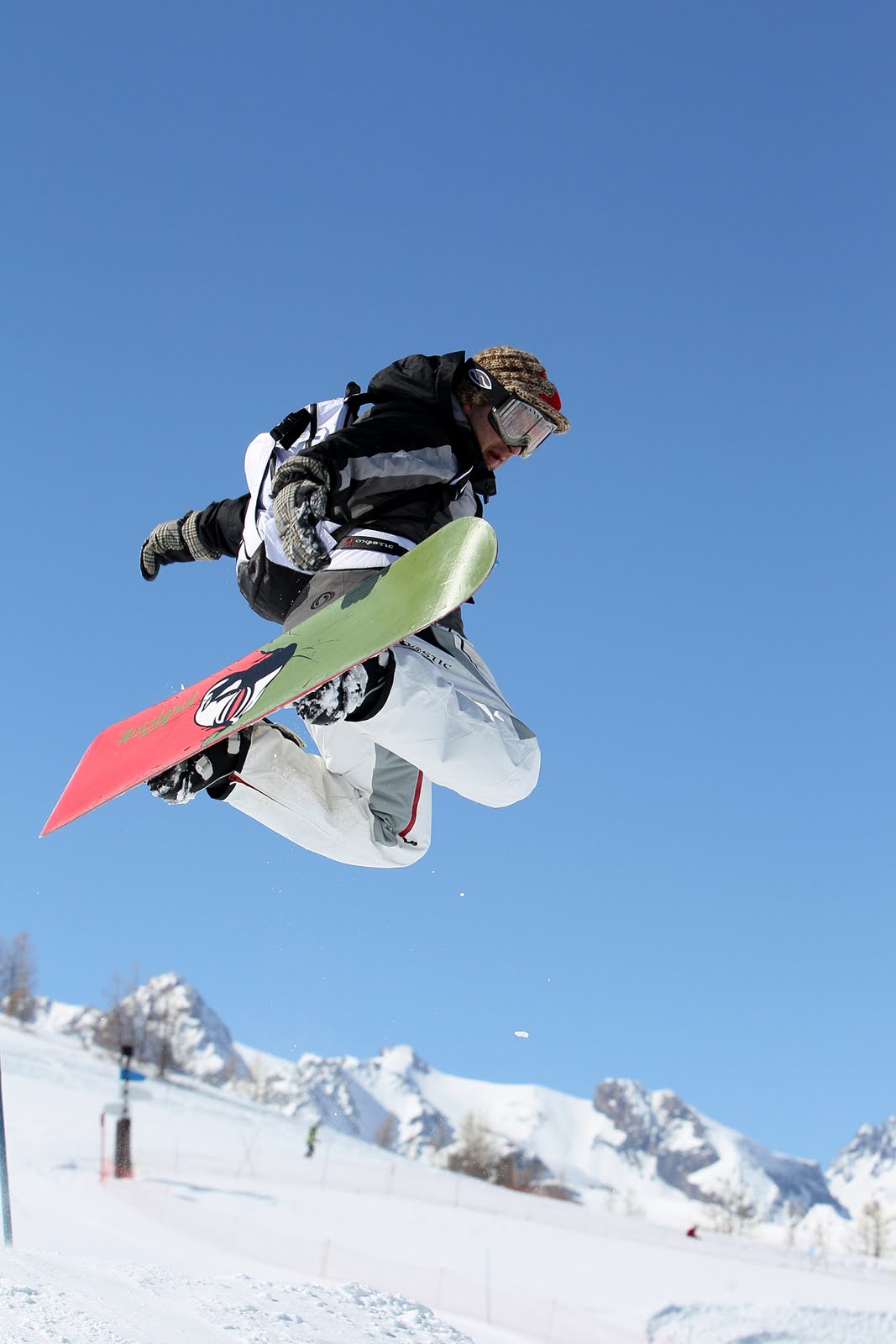
The AI Servo is different to the One Shot but is very similar to the infamous Canon EOS1D Mark III that I used to have. I shot mainly skiers and snowboarders with my Canon zoom 70-200 2,8 LIS with a micro adjustment of -1.
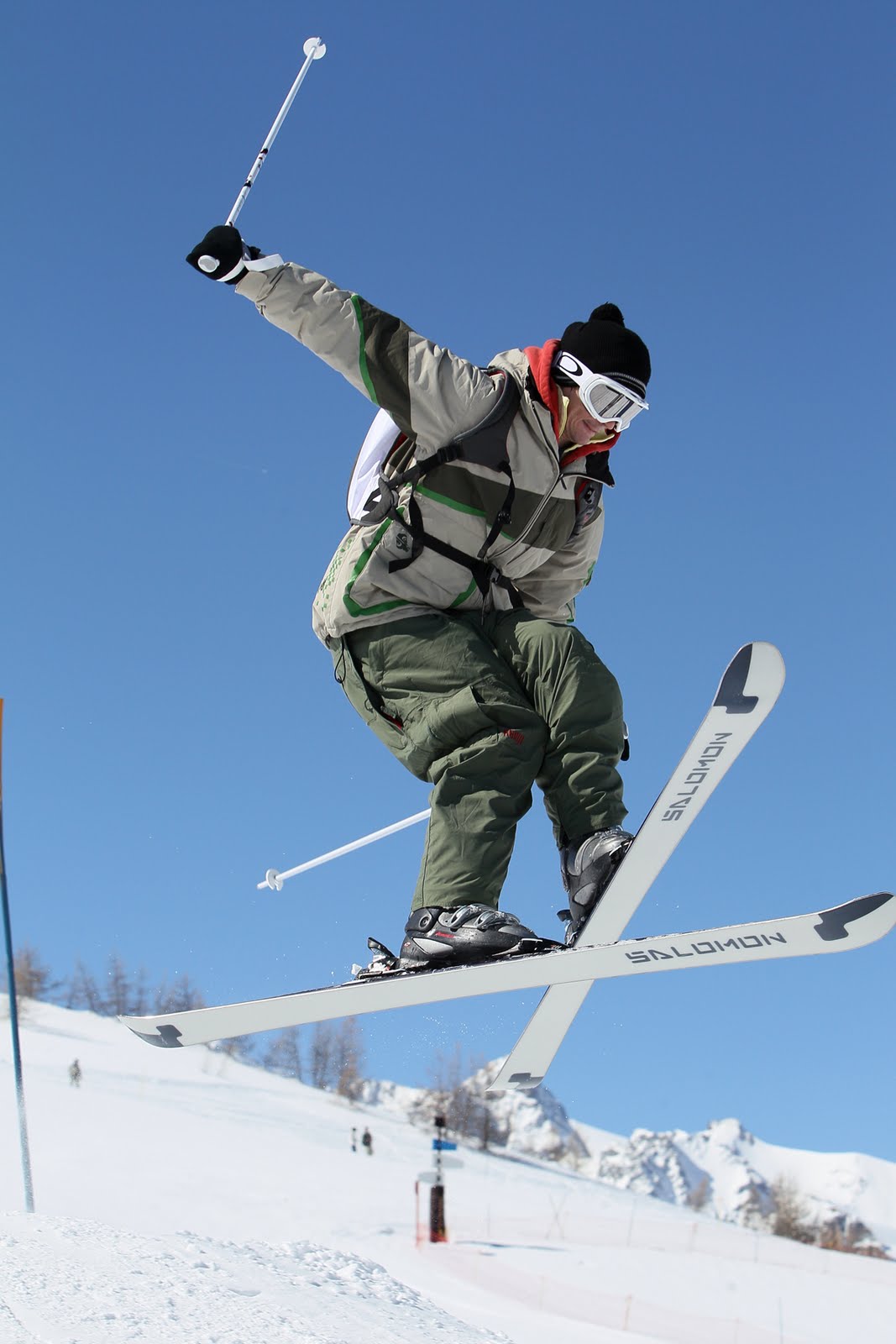
The snowboarders and skiers were on jumps or moguls. As long as I prepared the prefocus from where I could see them, they were very well focused. Although, some (in the cadense of 10 frames / second) were soft. Also with a distance of 6 or 7 meters or less, the photos became out of focus, like the predecessor, the Canon EOS1D Mark III.
I don't know if it's because I stop pressing the shutter and the motor drive is still moving, but at 10 frames/second, the last two shots are always out of focus. Also, within the sequence I have some photos that are a little bit soft. This means the AI Servo is not constant and it becomes more obvious when the speed of the subject varies a lot. With erratic movement, even at slow speed (for example: a beginner skidding whilst turning), the AI Servo doesn't follow the subject properly. A lot of photographs are completely out of focus, especially ones were the subject is close to me.
Also, following my last post, I shot in JPEG at a high ISO and I can confirm that 6400 ISO is the limit usable at low light. It becomes extremely noisy in dark areas or with black colour. I have tried different settings to reduce the noise and with the strong settings, I was losing too much detail. The standard setting is fine with detail, but there is still a lot of noise.
In my opinion, up to 640 ISO, the photos are extremely clean and it can be used for any work for the most fussy of customers. Up to 1600 ISO, the images are still very clean and it should satisfy most people. It's after 3200 ISO that we can see the quality going down. I think the reasonable limit is 6400 ISO and above, up to 12800 ISO is for emergencies. The extendable ISO is marketed to compete with the Nikon D3S. Now wait and see the new lightroom 3 which is supposed to have an excellent engine against the noise.
Overall, I am satisfied with this camera. It gives me the results I expect and delivers great pictures.
Saturday, 23 January 2010
Canon EOS1D MarkIV and high ISO
A few days ago I picked up my camera, a Canon EOS1D Mark IV which is a pro body popular with sports and news photographers. The main difference with it’s predecesor, the Canon EOS1D Mark III, is the sensor which is 16 Megapixels with a sensibility of 100 to 12800 ISO extendable by a custom function to an impressive 102400 ISO. 
I went to " le musée de la Renaissance ", a castle to Ecouen in north of Paris. It displays some beautiful tapestries housed in very dark rooms. The curtains are always closed and the lights are extremely low . The flash is forbidden to protect the precious tapestries. Psyche’s gallery, for example, is amazing and perfect for testing out my new camera in low light . To get the shot, and to avoid a very low speed (1/15 s at f5,6), without the use of a tripod as it's not allowed, a starting point of 12800 ISO was tried. Unfortunately this wasn’t suitable. It was too noisy unless processed using the RAW files with DXO ( I have heard it's giving brilliant results at high ISO ) or lightroom 3 which is expected to be released very soon. The next test was at 6400 ISO. Still far too noisy although suitable for some customers but not stock agencies. The best results were from 3200 ISO and less as long as the pictures are not under exposed. These were processed using Lightroom 2.6 and I was pleased with it considering the lighting conditions. However, I was disappointed as I thought the new Canon would give me good results up to 12800 like the new Nikon D3S which is at least 1 ½ stops better.

I went to " le musée de la Renaissance ", a castle to Ecouen in north of Paris. It displays some beautiful tapestries housed in very dark rooms. The curtains are always closed and the lights are extremely low . The flash is forbidden to protect the precious tapestries. Psyche’s gallery, for example, is amazing and perfect for testing out my new camera in low light . To get the shot, and to avoid a very low speed (1/15 s at f5,6), without the use of a tripod as it's not allowed, a starting point of 12800 ISO was tried. Unfortunately this wasn’t suitable. It was too noisy unless processed using the RAW files with DXO ( I have heard it's giving brilliant results at high ISO ) or lightroom 3 which is expected to be released very soon. The next test was at 6400 ISO. Still far too noisy although suitable for some customers but not stock agencies. The best results were from 3200 ISO and less as long as the pictures are not under exposed. These were processed using Lightroom 2.6 and I was pleased with it considering the lighting conditions. However, I was disappointed as I thought the new Canon would give me good results up to 12800 like the new Nikon D3S which is at least 1 ½ stops better.

Tuesday, 19 January 2010
Expections of the new Canon EOS 1D Mark 4


I bought the Canon EOS 1D Mark3 in July 2007 and I have never been completely satisfied with the AI Servo. There were well known issues with the autofocus and the camera had to be returned to Canon Professional Service twice for hardware updates and some new firmwares have been downloaded several times to improve the autofocus. In spite of setting my camera very well ( custom functions and lens micro adjustments ) and the corrections, the autofocus never worked as I expected for a professional sports camera series 1D.
While shooting sports pictures, a lot of them were not really sharp even when the subject was moving slowly towards me.
After, you can see that the autofocus wasn' t consistent and actually it was working better in low light than on a sunny day.
Also, while I was using the camera in high speed motodrive at 10 frames per second, not all the photographs were sharp especially when the subject didn' t have a contant speed or dark/low contrast.
The newborn Canon EOS 1D Mark4 might resolve all the issues and I have a lot of expectations with this new body that I will buy very soon. I hope I will be able to trust the new camera and the trouble I have had will be in the past.
Sunday, 17 January 2010
New sport images on my Website


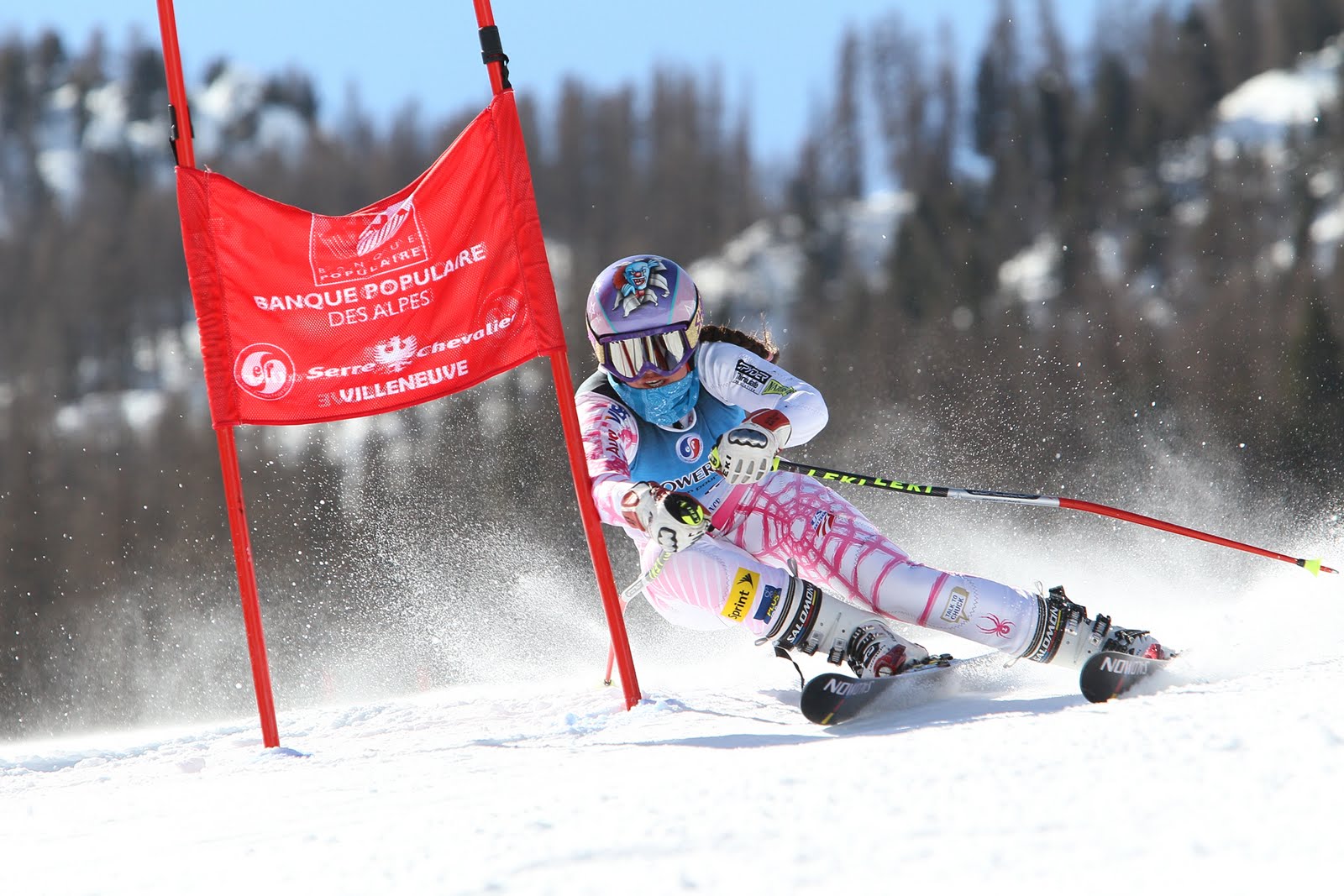
Whilst working in Serre Chevalier, I had the privilege to shoot the Giant Slalom for the British Military Championship 2010 and I kept some images for the sports gallery on my website.
Please check out.
http://www.sylvainoliveira.com/sport/index.html
Please check out.
http://www.sylvainoliveira.com/sport/index.html
Wednesday, 16 December 2009
Hidden treasures near Johannesburg
 Gauteng in South Africa has many hidden treasures. One of the most beautiful caves in this area is the Wonder Cave which is believed to be 2,2 million years old. It is located within the Rhino and Lion nature reserve at the Cradle of Humankind. Robert Broom found the first fossils in 1937 and spent the rest of his life devoting himself to the discovery and excavation further hominids.
The dolomite limestone caves in this area started out as warm coral reefs in shallow seas and excavations produced fossilized remains of ancient plants, animals and hominids . 7 of the 12 sites have yielded hominid remains and this area is designated a world heritage site.
Wednesday, 9 December 2009
New pictures added in the wildlife gallery
I have updated my wildlife gallery with a dozen pictures I took whilst travelling in South Africa. Please check it out. http://www.sylvainoliveira.com/wildlife/index.html
Thanks.
Thanks.
Wednesday, 11 November 2009
Paris by night

Paris is known as the "City of Lights" and it's a beautiful place especially at night. Originally the phrase referred to the Age of Enlightenment. Later, Paris was known as this for it's early adoption of street lighting and the most spectacular example is the Champs Elysee. Everyone has heard of the Eiffel Tower, Sacre Coeur, Louvre and the River Seine but visiting this city is a truly amazing experience. Paris has around 45 million tourists each year and it is easy to see why. The transport system is excellent and easy to use. From Chatelet les Halles, a major shopping centre, take line 1 to Tuilleries and walk through the gardens to the Louvre, beautiful in spring.
 Or, travel by metro to Trocadero and take a leisurely stroll to the iconic Eiffel Tower which is often empty in August as the Parisiennes decamp to the south of France during the summer. Anvers, near Gare de Nord is the starting point for the funicular to Monmartre and the Basilica of the Sacre Coeur. This stunning white domed building is dedicated to the sacred heart of Jesus and situated on the highest point in Paris.
I was lucky enough to spend a few days in my home city but November isn't the best time to take stock photographs. The trees are bare, the days short and cold but on a dark winters evening, Paris isn't known as the "City of Lights" for nothing.
Monday, 28 September 2009
Tring Reservoirs

The Tring Reservoirs are a haven for waterbirds such as Widgeon and Pintail and the viewing areas give easy access to watch or photograph the wildlife. Wilstone reservoir was orignally built in 1802 to supply the locks on the canal with water so canal boats could transport goods, livestock, grain and coal from London to the Midlands. The locks are used to make the water rise or fall so that boats can make the journey along the canal which is 400 feet difference between the lowest point in Brentford, and it's highest point, Tring summit. In late September and October the light is superb and early evening is great time to photograph the sunset as it disappears behind the trees. The area is located within a site of special scientific interest and is a managed nature reserve. The Tring reservoirs are famous for fishing, producing large perch, tench, carp and bream. They are made up of four reservoirs, Wilstone, Startops, Little Tring and Marsworth. These shots were captured using a Canon EOS 1DS Mark3 with two Canon zooms, a 24-70 2.8L and a 70-200 2.8LIS.

Friday, 18 September 2009
Pitstone Windmill

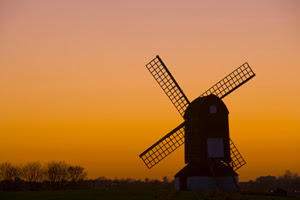
After a short trip to France, I returned home to the UK. September and October are excellent months to take night pictures as the sunsets are often colourful and provide beautiful muted light. One of my favourite places close to my home is Pitstone Windmill, an ancient post mill dating from 1627 that's believed to be the oldest in the British Isles. This was a working mill until it was destoyed during a gale in 1902. It was restored by volunteers and is now open to visitors on Sunday and bank holiday afternoons from June to August.
The windmill was dark and I wanted to avoid it becoming a silhouette in the picture. I lit it up from the side using a flash Canon 580EX Mark2 mounted on a lightstand and remotely controlled by a Pocket Wizard. As the windmill is quite big and the flash wasn't powerful enough, I set the aperture of my zoom, Canon 24-70 2,8L, to F4 to allow the dark wooden detail of the post mill to become visible. The flash combined with the sunset created this beautiful effect.
The windmill was dark and I wanted to avoid it becoming a silhouette in the picture. I lit it up from the side using a flash Canon 580EX Mark2 mounted on a lightstand and remotely controlled by a Pocket Wizard. As the windmill is quite big and the flash wasn't powerful enough, I set the aperture of my zoom, Canon 24-70 2,8L, to F4 to allow the dark wooden detail of the post mill to become visible. The flash combined with the sunset created this beautiful effect.
Friday, 11 September 2009
Macro Photography becomes easier with the new Canon lens Macro 100 2,8L IS

I am really excited that Canon have just launched their new lens, a 100mm f/2,8L IS macro USM which is part of the flagship 'L' series. Macro photography can be difficult as obtaining a sharp image can be challenging. But now, Canon have incorporated image stabilisation, the first of its type. The new Hybrid IS system means camera shake is corrected up to four stops on normal use and two stops when 1.0x magnified. Not only does it correct the shake if the camera moves side to side and up and down but this new system makes corrections if the camera moves backwards and forwards. This is why it is interesting particularly for macro work. Fewer pictures end up deleted and on the whole it makes macro photography a little easier. I hope to buy this lens and will post reviews and images in the near future.
Subscribe to:
Posts (Atom)